
Warm vs cold outreach is one of the most discussed topics when it comes to generating leads on LinkedIn. Your choice sets the direction of your entire LinkedIn outreach campaign, including the leads you select, your connection requests, follow-up messages, your expectations, and eventually, the end results.
Knowing what actually separates cold outreach vs warm outreach on LinkedIn can help you pick the right strategy for the right leads.
What Is the Difference Between Warm Outreach and Cold Outreach?
Cold outreach vs warm outreach on LinkedIn are two distinct approaches, even though they have a shared goal of starting a conversation with leads. The core difference is that warm outreach targets people who are already somehow familiar with your brand, whereas cold outreach targets potential clients who’re not aware of your brand or product.
A warm lead already recognizes you or your brand. A cold contact, on the other hand, hasn’t heard about your brand or has never interacted with you. This difference changes your approach, setting the stage for your LinkedIn outreach strategy.
We’ll go over warm outbound vs cold outreach in more detail in the following sections.
What Is a Cold Outreach?
Cold outreach is your initial, unsolicited contact with a prospect who has had no prior interaction with you or your brand. They’re not familiar with your product, and there’s no connection. These people have not engaged with your content, visited your website, or exchanged messages with you. In other words, they’re complete strangers.
When choosing between warm vs cold outreach, it is essential to know whether you’re initiating contact with someone from a standing start or whether there’s some existing context to build upon.
How Does Cold Outreach Work?
On LinkedIn, cold outreach often involves finding your target profile, sending a connection request, introducing yourself, and pitching your offer or solution via message.
Here’s how you can do cold outreach on LinkedIn, step-by-step:
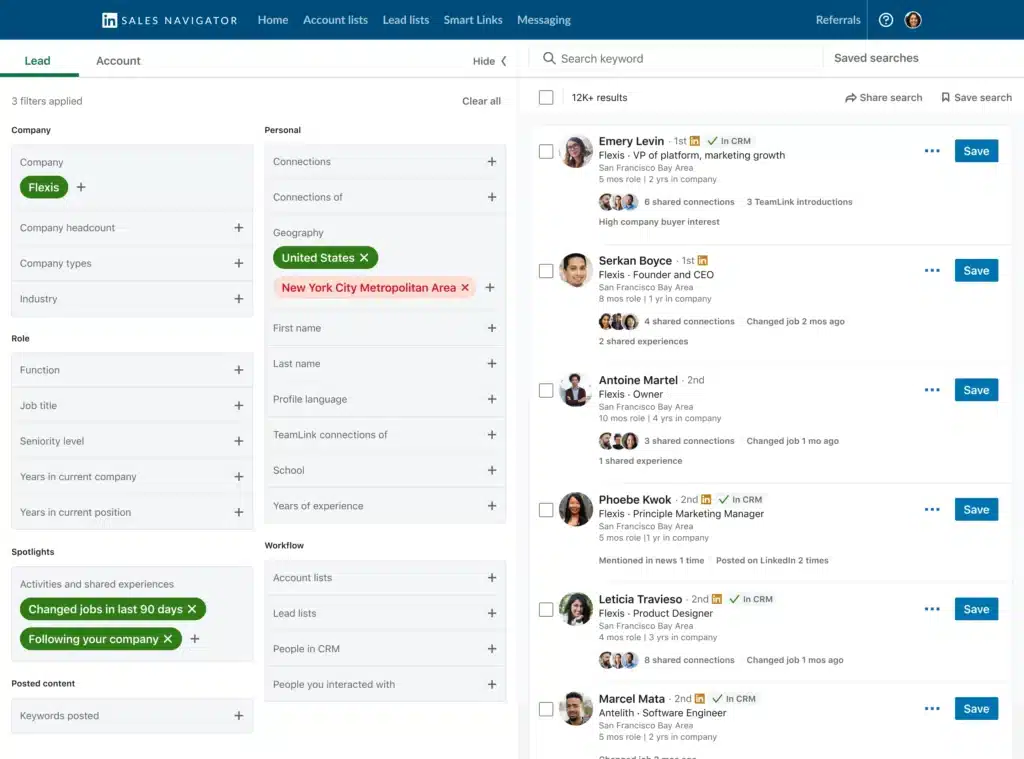
- Find the profiles of potential leads for your product or solution using the LinkedIn search bar and filters. Your Ideal Customer Profile and Buyer Persona can help you narrow down your search and find the best leads;
- In the second step, you send a connection request or InMail to each lead in your list. You can tailor your connection request or InMail with the information available publicly on each lead’s LinkedIn profile;
- Once they accept your connection request or respond to your InMail, you follow up with a message introducing yourself, establishing relevance and value, and trying to start a conversation. The idea is to dig into their needs and challenges;
- Once you’ve identified their pain points or needs, you introduce your product or service and emphasize how it can help those leads overcome their problems or improve their workflow.
Cold outreach depends on numbers. The larger your outreach volume, the higher the chance of responses. But it’s often a slow start. People are cautious when they don’t recognize your brand or company.
Still, when implemented with proper research and precise targeting, cold outreach does help you close deals. This holds true especially when you support your outreach with a good automation tool like Octopus CRM that helps you maintain consistency, personalize your LinkedIn outreach, and follow up at the right time.
What Is a Warm Outreach?
Warm outreach involves contacting a lead who identifies with or has already engaged with you or your brand. Maybe the person has interacted with your content, was introduced by a mutual connection, or has subscribed to your email list.
For the reasons above, starting a conversation with a warm lead is less like an interruption and more like a continuation since there’s already awareness and context to build on.
When choosing between warm outreach vs cold outreach, remember that the main difference comes in how you initiate contact and converse with a lead.
How Does Warm Outreach Work?
Warm outreach on LinkedIn starts with monitoring engagement signals. You keep an eye on a point of connection, check your profile views, and monitor who’s engaging with your posts or comments. The idea is to identify a lead who’s shown interest in your brand or solution and then send a contextual message.
Here’s how warm outreach on LinkedIn works, step by step:
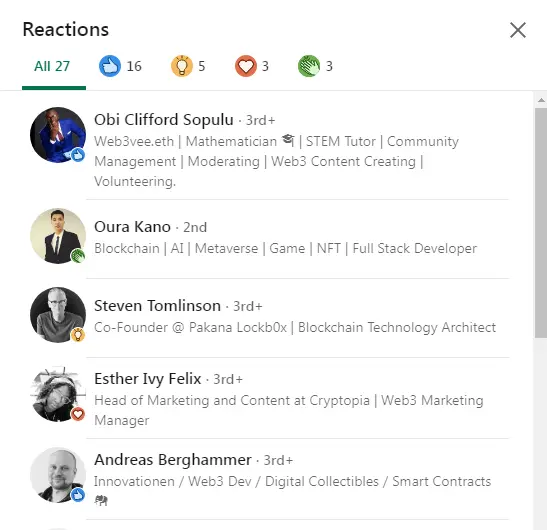
- Post valuable LinkedIn content and interact with other people’s posts, especially leads you want to target;
- Next, identify the warm signals. Create a list of leads who commented on your post or responded to your comments on their posts. Also, take note of people who viewed your profile or visited your company page, and those who posted about their pain points or challenges;
- Now, it’s time to send a connection request. Make sure to personalize your request using a shared reference, comment, or context while keeping it short and value-oriented;
- Once they accept your request, respond with a follow-up message to thank them. In doing so, include a micro-value resource that can help them in some way;
- As your message exchange continues, offer help and ask a light qualifying question about their challenge or pain points;
- Finally, when the prospect shows ultimate interest, it’s time to take them off LinkedIn. Send a calendar link or propose a date for a call or an appointment.
Advantages & Disadvantages of Cold Outreach
Advantages:
- You can target a very large, defined audience, making it possible to generate a high volume of leads;
- You are not waiting for prospects to engage with your content or for trigger events to happen;
- You can build a pipeline quickly from scratch, without needing to build an audience first;
- You can scale it quickly using a LinkedIn automation tool that allows you to send mass, personalized connection requests.
Disadvantages:
- Low reply and conversion rates because you are starting with no credibility, trust, or context;
- A poorly executed, high-volume cold outreach can damage your personal and company brand, leading to spam reports.
Advantages & Disadvantages of Warm Outreach
Advantages
- The shared context or prior familiarity provides an immediate reason to engage, making prospects more likely to reply;
- Leads see you as a helpful professional and not a spammer. This protects and can even enhance your reputation;
- Prior engagement and recognition make it easier to personalize your outreach messages.
Disadvantages
- The number of prospects with a specific, relevant point of connection or prior context is naturally smaller than your total addressable market;
- It takes time to build an audience, create content, and identify warm trigger events before you can reach out.
Warm vs Cold Outreach Examples
These examples of warm outreach vs cold outreach on LinkedIn illustrate the difference in approach, tone, and framing.
Cold Outreach Examples
- Sending a LinkedIn connection request with a short intro like, “Hi Mark, I work with B2B teams optimizing LinkedIn outreach. Would love to connect!”;
- A follow-up message, saying: “Hi Sarah, your company’s focus on AI-driven personalization in B2B marketing is really interesting. Our platform helps companies like yours leverage that trend to reduce customer acquisition costs and improve campaign ROI. Can I share a one-page overview to show you how it works?”
Warm Outreach Examples
- Sending a message referencing a post. “Hi Dan, Interesting take on personalization at scale in your recent post. I’ve seen similar results using behavioral triggers on LinkedIn. It’s amazing how much engagement improves”;
- Following up on LinkedIn after someone attended your webinar or event. “Hi Emily, thanks for joining our recent webinar. I noticed you asked a great question about balancing automation with personalization. It’s something many teams struggle with. We actually put together a short one-page summary of the key strategies from the session that might be useful for your team at BrightPath. Would you like me to send it over here?”
Octopus CRM LinkedIn Outreach Automation Tool
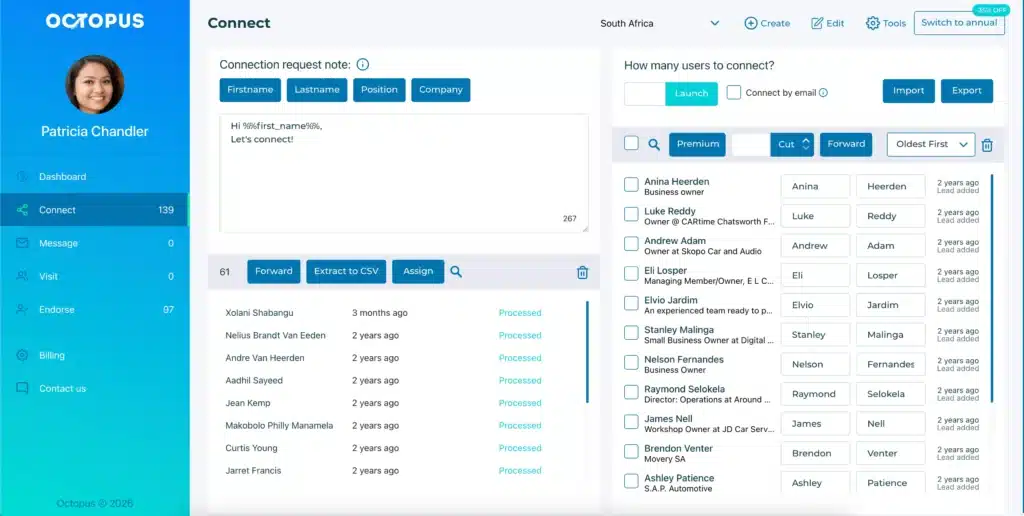
The best way to manage cold vs warm outreach on LinkedIn is through automation that doesn’t sacrifice personalization. The Octopus CRM LinkedIn automation tool helps you achieve exactly that necessary balance.
You can use Octopus CRM to:
- Visit hundreds of profiles automatically to find leads;
- Send automated yet personalized LinkedIn connection requests and messages at scale;
- Manage responses and follow-ups without losing track;
- Warm up cold leads by automatically endorsing their skills.
Cold vs Warm Outreach: Which Is the Best?
There’s no universal winner between warm outreach vs cold outreach. Which strategy is best for you depends on where your leads are in the sales stage, your resources, and your goals.
It is a good idea to balance both approaches, as relying on a single one can make your pipeline volatile and stressful. In doing so, make sure to use the right outreach method for the right audience.